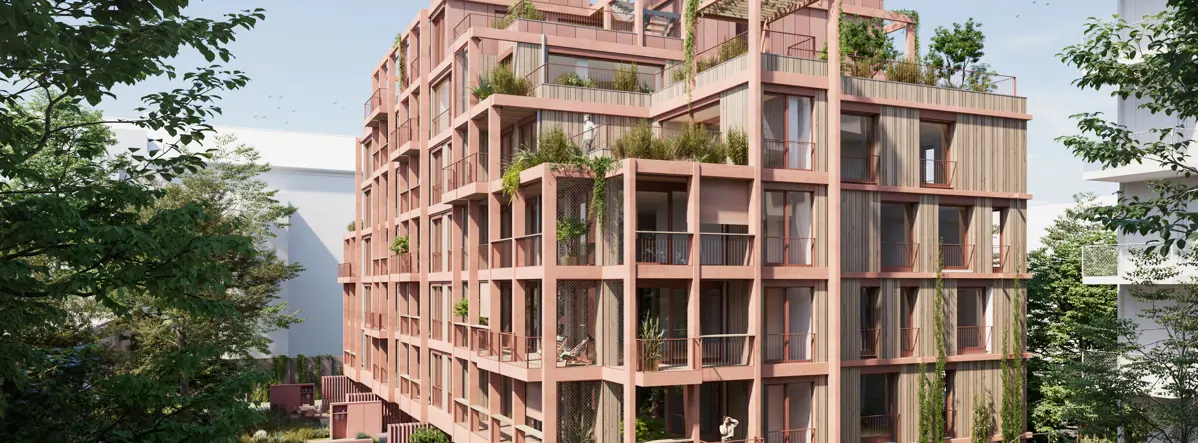
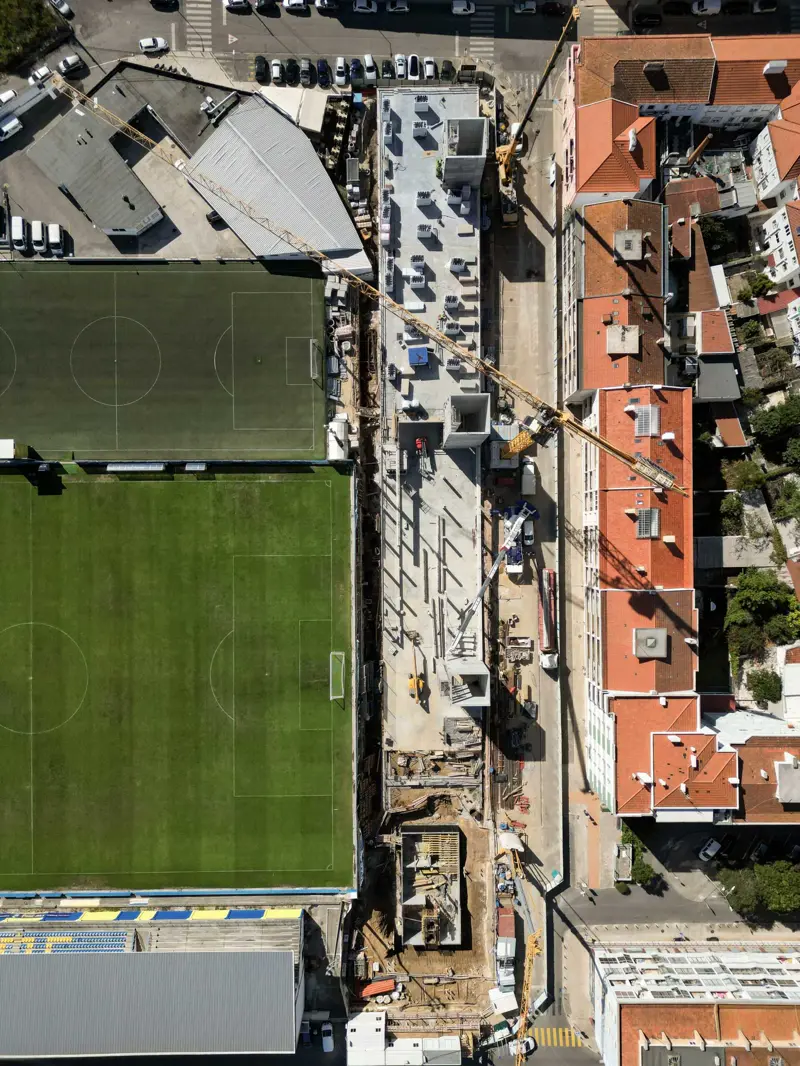
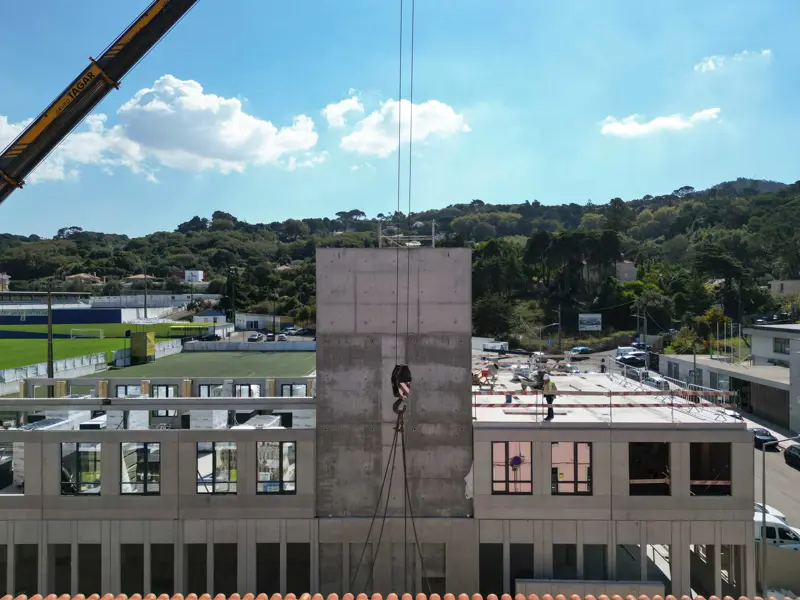
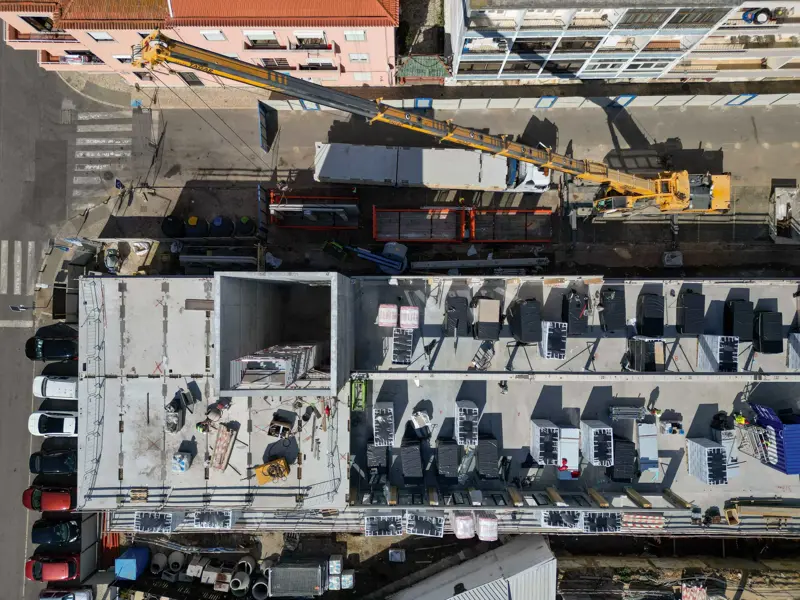
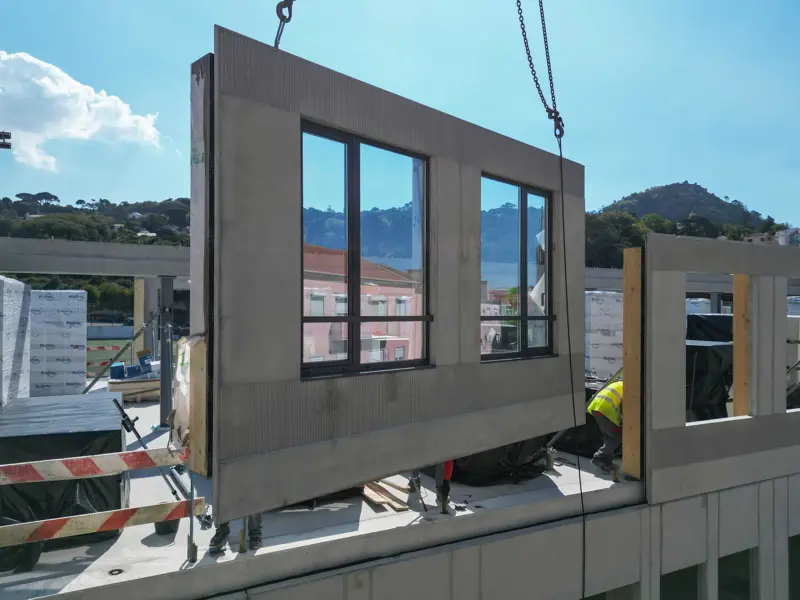
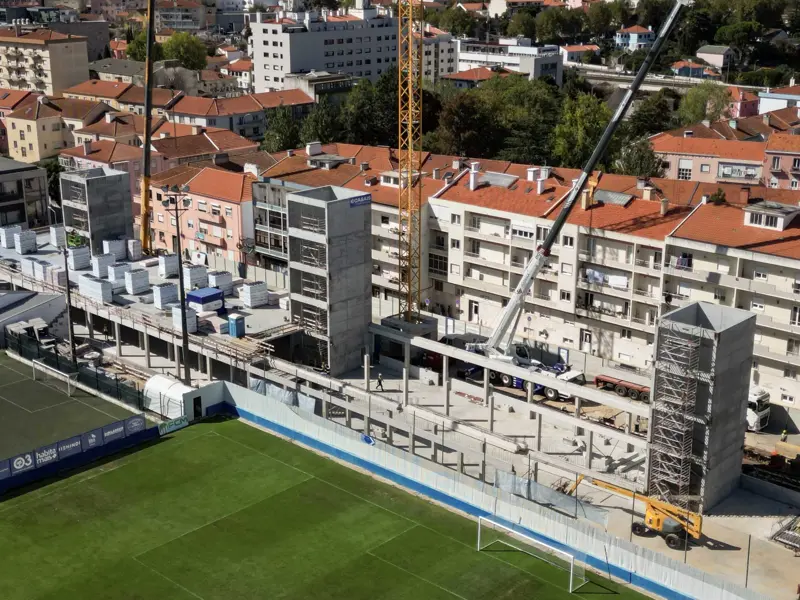
Casais Group has announced the completion of the assembly of the first floor of the University Residence project in Sintra, marking another significant milestone in the development of a modern and sustainable infrastructure scheduled to open to students in March 2026.
In total, the residence will offer 197 beds, distributed across apartments of various types, including units adapted for students with reduced mobility. The project, promoted by ISCTE, Sintra, also includes a Technological HUB — an innovative space designed to foster integration between startups, students, and the local community, promoting the development of technological and innovative solutions.
In addition, residents will benefit from integrated coworking areas, direct connection to ISCTE’s IT servers, proximity to public transport, libraries, schools, and cultural centers, as well as access to sports and recreational programs of Sport União Sintrense.
The University Residence in Sintra prioritizes sustainability and energy efficiency, with clear goals of achieving Class A+ energy certification, Class B circular economy certification, reducing primary energy consumption by more than 20% compared to NZEB (Nearly Zero Energy Building) requirements, and using recycled materials for up to 20% of the total construction volume.
“This type of project reflects Casais Group’s purpose of creating long-term value for society. By developing modern, technological, and sustainable housing solutions, we are investing in the future of young people and contributing to more inclusive and resilient cities. We believe that offering students excellent conditions to live, study, and interact also fosters innovation, knowledge, and socio-economic development. This is how we bring together our experience in the construction sector with a deep commitment to sustainability and urban responsibility,” said António Carlos Rodrigues, CEO of Casais Group.
The University Residence in Sintra was designed to meet the needs of different student profiles, ensuring affordable and high-quality accommodation solutions. The project aims to host and support a diverse student community, including higher education scholarship holders, national students living away from home, international exchange students, as well as national and international participants in summer courses.
The project results from a joint effort between ISCTE – University Institute of Lisbon, the Sintra City Council, Sport União Sintrense, and various cultural, recreational, and sports associations of Sintra. It represents a total investment of €19 million: €12.7 million in the University Residence, financed by the Recovery and Resilience Plan (PRR), and €6.2 million in the Technological HUB, funded by Portugal 2030.
Casais Group reaffirms its strategic commitment to innovation, sustainability, and excellence in the construction sector by providing high-standard university housing and technological infrastructure solutions. These solutions aim not only to meet students’ housing needs but also to foster integration between the academic and local communities, promoting an inclusive, dynamic, and future-oriented ecosystem.
By investing in industrialized and sustainable solutions that address Portugal’s growing demand for student housing, Casais highlights projects such as the student residences in Beja, Valença, Braga, and soon Coimbra. These and other projects use hybrid systems — an approach that enables more efficient buildings by reducing construction time, waste, and resource use. Through prefabricated modules, waste and environmental impact are minimized while promoting energy efficiency. The hybrid structure facilitates material reuse and disassembly, strengthening the principles of the circular economy.
These initiatives align with the company’s core values — innovation, sustainability, and urban responsibility — and reflect its active role in transforming the construction sector and enhancing the academic experience across various regions of the country.